For Appointments Call : 073374 10147

A root canal is a procedure done by qualified dentist which aims at treating infection in tooth pulp. When decay, cracks, or trauma expose the pulp to bacteria, it can lead to pain, infection, or abscess formation. During the procedure, the Dentist in Kukatpally numbs the affected area, removes the infected pulp, and thoroughly cleans and disinfects the root canals. The carved out space is then filled with a safe and useful material called gutta-percha to seal the canal, this aids in further preventing infection. After this procedure, a crown is put on top of the tooth to bring back its functionality and strength. Root canals effectively save teeth that would otherwise require extraction, alleviating pain and restoring oral health. The procedure is generally safe, involves minimal discomfort, and has a high success rate when performed by a qualified dentist at Dental clinic in Kukatpally .
Need for a root canal:
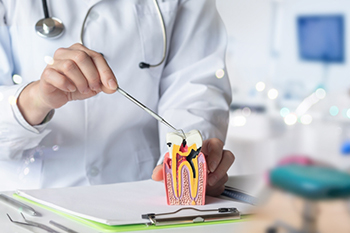
A root canal is needed when the pulp inside a tooth becomes inflamed or infected, usually due to deep decay, repeated dental procedures, cracks or chips in the tooth, or trauma. Symptoms indicating the need for a root canal as per Best Dental Hospital in Kukatpally include severe tooth pain, prolonged sensitivity to hot or cold, discoloration of the tooth, swelling or tenderness in the surrounding gums, and persistent or recurring pimples on the gums. When the infection is left without timely treatment, it can lead to pus formation, intense pain, and the loss of the tooth. A dentist or endodontist typically diagnoses the need for a root canal through clinical examination, X-rays, and assessment of symptoms. Root Canal Treatment in Kukatpally helps save the natural tooth by removing the infected pulp, disinfecting the canal, and sealing it to prevent further infection, thereby restoring oral health and alleviating pain.
Steps of a root canal:
- Diagnosis and Treatment Planning: The dentist examines the tooth and takes X-rays to assess the extent of decay or infection and plan the procedure.
- Anesthesia
- Isolation: A structure is formed around the tooth to keep it safe from saliva.
- Access Opening: A small hole is drilled into the tooth to access the pulp chamber and root canals.
- Pulp is removed to take care of the infection
- The canal formed after pulp removal is cleaned and filed thoroughly.
- Filling the Canals: The cleaned out canals are filled with gutta percha to seal from future infections.
- The opening is sealed with a filling which could be temporary or permanent.
- Restoration: Often, a crown or other restoration is placed on the tooth to restore its strength and function.
- Follow-up: The patient is scheduled for follow-up to monitor healing and ensure the success of the root canal treatment.
Post root canal care:
Post root canal care is essential to ensure proper healing and prevent complications. Immediately after the procedure, avoid eating until the numbness wears off to prevent biting your cheek or tongue. Stick to soft foods and avoid chewing on the treated side for at least 24 hours. Maintain excellent oral hygiene by gentle brushing and flossing around the area, but avoid disturbing the treated tooth directly. Take prescribed medications by Best dentist for root canal in Kukatpally manage pain and prevent infection. You may experience mild soreness or sensitivity, which should subside within a few days; using a warm saltwater rinse can soothe the area. Avoid chewing hard, sticky, or crunchy foods that could damage the temporary filling or dislodge it. Attend follow-up appointments to ensure proper healing and to have the permanent restoration, like a crown, placed as recommended. If you notice persistent pain, swelling, or signs of infection such as pus or fever, contact your dentist immediately.
When to consult specialist after root canal:
It is important to consult a specialist promptly if you experience persistent or worsening pain after a root canal, especially if the pain lasts more than a few days or intensifies over time. Other signs that warrant specialist consultation include swelling or a lump near the treated tooth, a foul taste or odor indicating infection, or if the tooth remains sensitive to hot, cold, or pressure. Additionally, if you notice any unusual mobility of the tooth or if the pain does not improve with over-the-counter medications, seeking professional advice is crucial. Sometimes, post-treatment complications such as reinfection, inadequate sealing, or root fractures may require intervention from an endodontist or dental specialist. Regular follow-up appointments at Ethos Dental with your dentist are essential to monitor healing, but if symptoms persist or worsen outside these visits, a specialist’s evaluation can help diagnose and manage issues effectively. Ultimately, timely consultation can prevent further complications, preserve the tooth, and ensure proper healing, so don’t hesitate to seek professional help if your post-root canal symptoms are concerning or abnormal.